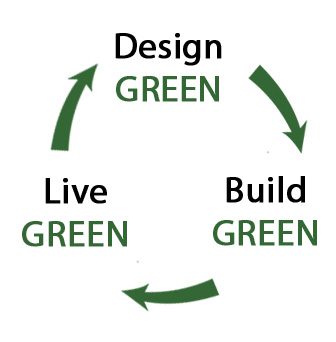
Design Green, Build Green, Live Green!
[et_pb_section fb_built="1" admin_label="section" _builder_version="4.23.1" custom_padding="76px||76px||true|false" da_disable_devices="off|off|off" locked="off" global_colors_info="{}" da_is_popup="off" da_exit_intent="off" da_has_close="on" da_alt_close="off" da_dark_close="off" da_not_modal="on" da_is_singular="off" da_with_loader="off" da_has_shadow="on"][et_pb_row admin_label="row" _builder_version="4.27.0" background_size="initial" background_position="top_left" background_repeat="repeat" custom_margin="|||auto|false|false" custom_padding="7px||13px|||" global_colors_info="{}"][et_pb_column type="4_4" _builder_version="4.16" custom_padding="|||" global_colors_info="{}" custom_padding__hover="|||"][et_pb_text admin_label="Title" module_class="chronospro-heading green-heading" _builder_version="4.19.1" header_text_align="left" header_2_text_align="left" header_2_text_color="#727272" module_alignment="left" custom_margin="||||false|false" custom_padding="||1px|||" border_style="solid" locked="off" global_colors_info="{}"] Design Green, Build Green, Live Green[/et_pb_text][et_pb_video src="https://vimeo.com/1002783615" _builder_version="4.27.0" _module_preset="default" hover_enabled="0" global_colors_info="{}" sticky_enabled="0"][/et_pb_video][et_pb_text admin_label="Title" module_class="chronospro-heading green-heading" _builder_version="4.23.1" header_text_align="left" header_2_text_align="left" header_2_text_color="#727272" module_alignment="left" custom_margin="||||false|false" custom_padding="7px|||||" border_style="solid" locked="off" global_colors_info="{}"]The Whole Living Approach In a world where we spend up to 90% of our time indoors, the quality of our living spaces can significantly impact our health and well-being. It's a startling fact that the Environmental Protection Agency (EPA) reminds us of, especially when considering the rising cases of health issues like asthma. The last 30 years have seen a staggering 600% increase in childhood asthma cases in the United States alone. What could be contributing to this alarming trend? One answer may lie in the way we construct and furnish our homes. Whole living is a concept that seeks to address this issue. It involves designing and building homes with a focus on environmental sustainability, energy efficiency, and, perhaps most importantly, indoor air quality. This holistic approach is not just about constructing "green" homes; it's about ensuring that those homes promote a healthier, more balanced lifestyle. The Pioneers of Whole Living Meet Sean and Laura Sullivan, the driving forces behind the whole living philosophy. Sean owns Living Stone Design + Build, a leading custom home design and build firm with over 24 years of experience. Laura, on the other hand, is the owner of ID.ology Interiors & Design. Together, they co-own Atelier Maison & Co., a green furniture studio. Their journey into whole living began when they realized that building green and energy-efficient homes was only part of the equation. They were unknowingly accumulating toxins in their homes from sources such as furniture and cleaning products. [/et_pb_text][et_pb_image src="https://media-upload-livingstone.s3.amazonaws.com/img/20231129143639/uhy748s6nf.jpg" alt="custom home builders north carolina" title_text="custom home builders north carolina" _builder_version="4.23" _module_preset="default" global_colors_info="{}"][/et_pb_image][et_pb_text admin_label="Title" module_class="chronospro-heading green-heading" _builder_version="4.23.1" header_text_align="left" header_2_text_align="left" header_2_text_color="#727272" module_alignment="left" custom_margin="||||false|false" border_style="solid" locked="off" global_colors_info="{}"]The Importance of Indoor Air Quality Over the past two decades, there has been a growing concern among homebuyers about indoor air quality. Issues like mold, radon, carbon monoxide, and toxic chemicals are now receiving more attention than ever before. Research has linked poor indoor air quality to a range of health problems, highlighting the significance of this issue. New homes are constructed to be significantly tighter and more energy-efficient than their older counterparts, thanks to the first energy-efficient legislation in 1978. However, this tighter construction can lead to poor indoor air quality if not adequately managed. Even in homes certified as Energy Star, there's often little documentation concerning air quality. This is where whole living principles make a significant difference. Homes built to earn the Indoor airPLUS label incorporate features designed to reduce contaminants that can lead to poor indoor air quality. Unfortunately, homeowners are often unaware of the dangers that certain home furnishings can pose when brought into their homes after construction.[/et_pb_text][et_pb_image src="https://media-upload-livingstone.s3.amazonaws.com/img/20231129143818/renovation-after-homestead.jpg" alt="Eco-friendly construction asheville nc" title_text="Eco-friendly construction" align="center" _builder_version="4.23" _module_preset="default" global_colors_info="{}"][/et_pb_image][et_pb_text admin_label="Title" module_class="chronospro-heading green-heading" _builder_version="4.23" header_text_align="left" header_2_text_align="left" header_2_text_color="#727272" module_alignment="left" custom_margin="||||false|false" border_style="solid" locked="off" global_colors_info="{}"]Design Green, Build Green, Live Green The whole living philosophy is encapsulated in the mantra: Design Green, Build Green, Live Green. It's a three-step process that ensures that homes are not just environmentally sustainable but also conducive to a healthy lifestyle. Here's how it works:[/et_pb_text][/et_pb_column][/et_pb_row][et_pb_row column_structure="1_2,1_2" _builder_version="4.19.1" _module_preset="default" global_colors_info="{}"][et_pb_column type="1_2" _builder_version="4.19.1" _module_preset="default" global_colors_info="{}"][et_pb_text admin_label="Title" module_class="chronospro-heading green-heading" _builder_version="4.27.0" header_text_align="left" header_2_text_align="left" header_2_text_color="#727272" module_alignment="left" custom_margin="||||false|false" border_style="solid" locked="off" global_colors_info="{}"]Design Green The journey begins with designing green homes. This means taking into consideration the environmental impact of every design element. Features like low-VOC (volatile organic compound) paint, built-in passive radon systems, and formaldehyde-free furniture are among the priorities. These design choices contribute to a healthier living environment from the very start. Build Green The construction phase focuses on putting the green design into practice. This is where environmentally friendly building materials and construction techniques come into play. The goal is to reduce toxins at every step, ensuring that the home is as clean and sustainable as possible. Live Green Whole living doesn't end when construction is complete. The final phase is all about teaching homeowners to live green. This involves making sustainable choices in day-to-day living, from using eco-friendly cleaning products to adopting energy-efficient habits. To underline their commitment to whole living, Sean and Laura have established Atelier Maison & Co., a healthy high-end home furnishings studio in Asheville and Cashiers, North Carolina. This venture allows homeowners to source sustainable, healthy home furnishings that align with the whole living philosophy.[/et_pb_text][/et_pb_column][et_pb_column type="1_2" _builder_version="4.19.1" _module_preset="default" global_colors_info="{}"][et_pb_image src="https://media-upload-livingstone.s3.amazonaws.com/img/20231129143831/english-modern-106.jpg" alt="Sustainable living" title_text="Sustainable living" _builder_version="4.23" _module_preset="default" global_colors_info="{}"][/et_pb_image][/et_pb_column][/et_pb_row][et_pb_row _builder_version="4.19.1" _module_preset="default" global_colors_info="{}"][et_pb_column type="4_4" _builder_version="4.19.1" _module_preset="default" global_colors_info="{}"][et_pb_textRead More